

May 6, 2026
By: Christal Taggart
Since Thomas Robert Malthus published An Essay on the Principle of Population in 1798, societies have worried that a world with too many people would lead to disaster, famine, poverty, and disease. That idea has shaped what we believe about population for generations. However, today, the concern looks vastly different.
Several countries that once feared overpopulation are now facing the opposite problem: too few children being born. Across much of the world, birth rates are declining, and populations are aging. That raises an important question: What happens when there are not enough people to sustain the future?
Why It Matters
At first glance, declining birth rates might not appear alarming. In fact, some might assume it relieves pressure on resources. However, reality is complicated. When fewer children are born, populations begin to age, creating a situation where a limited number of working adults must support a growing number of retirees. That imbalance affects everything, from economic growth to the stability of social systems.
In some places, this disparity is already happening. South Korea, for example, has one of the lowest fertility rates in the world, at about 0.78 children per woman, far below the 2.1 replacement level needed to sustain a population. This is no longer a regional issue; it is becoming a global pattern, and it is happening faster than experts ever expected.
A shrinking population does not just mean fewer people; it means fewer ideas, less innovation, and reduced capacity for growth in many ways. Ironically, the very thing we have been trying to limit may be our greatest strength.
A Change In Mindset
For years, conversations around population has centered on one idea: a globe overrun with people and limited resources. We have been taught to think in terms of limits—limited food, limited space, and limited resources. Having fewer children is often viewed as responsible or necessary. But what if that assumption is wrong?
In recent years, several factors have contributed to this shift. Economic pressures, including the rising cost of housing and childcare, are often cited as reasons for delaying or avoiding having children. At the same time, cultural expectations have changed, with more individuals prioritizing education and career development. In addition, concerns about climate change have also begun to influence how people think about the future, with some questioning whether it is responsible to bring children into an uncertain world.
In many cases, expectations surrounding what is “needed” to raise a family have increased over time. What previous generations considered sufficient is often viewed today as inadequate, which can make starting a family feel more difficult than it may have been in the past. While financial and environmental concerns are real, they may also reflect changing perceptions as much as actual scarcity. Together, these modern pressures have contributed to a decline in birth rates that is now becoming more visible.
The issue is not just that fewer children are born, but what that means for the future of communities, nations, and the world. Fewer people means fewer workers, innovators, and individuals contributing to society. Over time, that affects economic growth, productivity, and the ability to solve complex problems. In other words, population decline not only reduces demand but also diminishes potential.
Rethinking Scarcity
Scholars often challenge the long-standing assumption that additional people lead to fewer resources. In the book Superabundance, the authors argue that human beings are not merely consumers of resources but also creators of solutions. This perspective invites a fundamental reconsideration of how population growth is viewed. Rather than perceiving people as contributors to scarcity, it highlights the role of human capital in driving progress. Each individual represents the potential to innovate, create, and solve problems.
History demonstrates this principle in a practical way. Even the wealthiest individuals in past generations, kings like Solomon or influential figures such as John D. Rockefeller, did not have access to the basic conveniences we take for granted today. Conveniences like running water, modern medicine, refrigeration, and instant communication were unavailable to them, regardless of their wealth.
In countless ways, the average person today enjoys a higher standard of living. This is not because resources increased on their own, but because people, through innovation, collaboration, and shared knowledge, have continually found ways to improve life over time. The reality is that people are the driving force behind progress. When populations grow, so does the potential for creativity, productivity, and, importantly, problem-solving. Consequently, when populations decline, that potential is reduced.
What’s Happening
Innovative technologies, creative ideas, and solutions to problems come from individuals who think and solve problems. Those breakthroughs often come from younger generations.
So, what happens when there are fewer young people? As populations age and shrink, the number of individuals contributing to innovation declines. That shift could slow economic growth and limit future progress. Countries like Japan offer a glimpse into this reality. Once known for rapid growth and innovation, Japan now faces economic stagnation alongside an aging population.
In Poland, declining birth rates have already led to the closure of maternity wards. These are not theoretical concerns; they are real, measurable consequences These kinds of changes highlight how quickly demographic decline can begin to affect everyday institutions.
Hope For The Future
Despite Concerns, there is hope for the future. Around the world, governments are starting to respond. For example, in Seoul, officials have expanded programs providing financial support to pregnant women to encourage childbirth
The conversation about population is at a turning point. For generations, we have focused on the dangers of overpopulation. But today, we are beginning to realize the consequences of having too few babies born. Moving forward, it is important to reconsider how we view population and family life. Children are not simply an expense or a strain on resources; they are future innovators and problem solvers. If societies want to remain creative and resilient, they must begin to value and support the next generation. The greatest resource any society has is not its land or its wealth; it is its people.
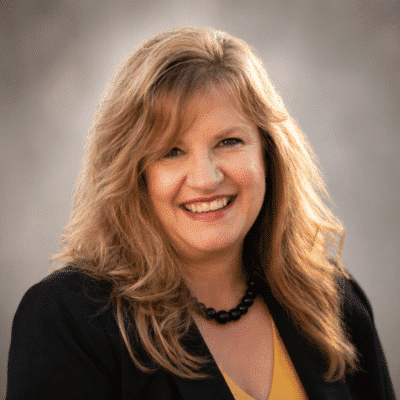
Christal is a senior at BYU–Idaho, graduating in July 2026 with a Bachelor’s degree in Marriage and Family Studies with an emphasis in parent education. She also holds an Associate’s degree in Family History Research, reflecting her strong commitment to family across generations.
Christal is passionate about strengthening and preserving the family and is excited to support United Families International’s mission through her internship. She is a wife, mother of seven, and grandmother of nine, and finds her greatest joy in spending time with her family, gardening, traveling, and laughing.